
Lighting Communities in Ghana in Honor of Professor Anani Dzidzienyo
Lighting Communities in Ghana in Honor of Professor Anani Dzidzienyo Last year, a group of students from Tema International School

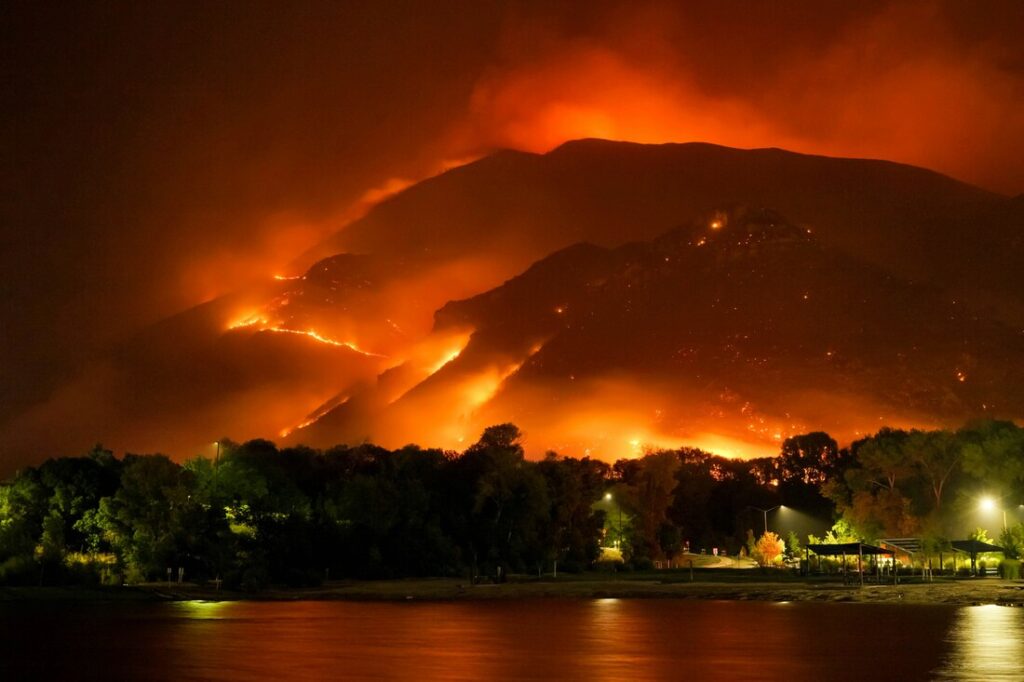
Photo by Mike Newbry on Unsplash
In early 2025, more than 4 million people were left without electricity as L.A. wildfires ravaged homes and destroyed businesses. This left many without adequate lighting, proper cooling systems, and threatened access to communication and water. As environmental catastrophes become more common, and unplanned blackouts increase with them, the importance of being prepared has never been greater. Here, we will outline tips for both planned and unplanned blackouts, giving you and your loved ones guidance on how to stay safe.
Understanding the Difference: Planned vs. Unplanned Blackouts
Power outages are relatively common in a lot of U.S. states like Michigan, Texas, Georgia, Maryland, Washington, and California who experience regular extreme weather events. They are also common in more rural areas, where weather can have a greater impact on small power grids. Understanding the difference between planned and unplanned power outages can help you to adequately prepare for both.
Planned power outages are usually done for safety, maintenance, or infrastructure improvement, and typically last less than 2 hours. Rolling blackouts (also known as rotating outages) are the most common type of planned blackout. This is when electric companies temporarily shut off power to prevent total grid failure when electricity demand exceeds supply- often done during summer months when A.C. usage is higher. They help to avoid total and much longer blackouts for entire cities or regions. Electric companies will notify you when a planned outage will take place and provide you with tips to prepare.
Unplanned power outages are most caused by extreme weather events, equipment failures, or accidents, and have higher consequences. The severity of the unplanned outages can be unpredictable, and the timeline of restoring electricity is often unknown, making preparation all the more important. Electric companies will notify you when an unplanned power outage occurs, but having a plan for an unplanned power outage will help you and your loved ones manage it safely.
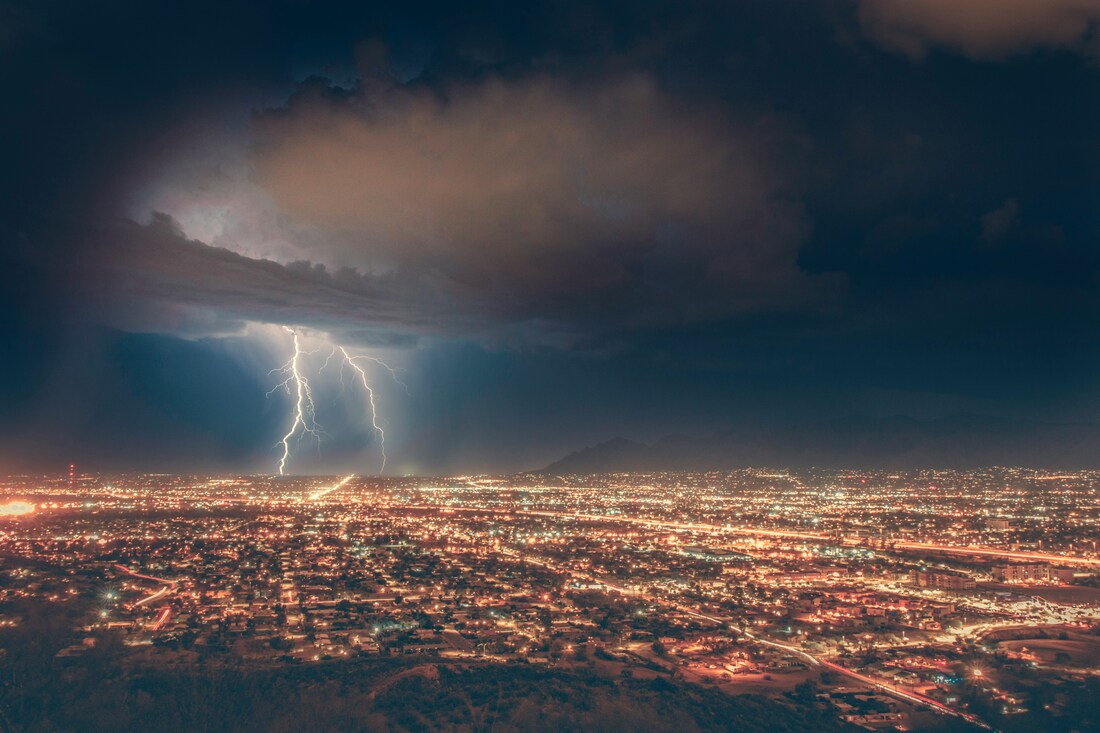
Photo by Michael D on Unsplash
Preparing for a Planned Blackout
Most important for a planned blackout is to know the schedule! Make sure you sign up for utility alerts from your electric provider and check local government or utility websites for updates.
Ahead of the blackout you should:
Fully charge phones, laptops, and power banks. Download offline versions of important files or apps.
Prep Your Fridge. Use perishables ahead of time, and freeze water bottles to extend cold time.
Have flashlights and lanterns. Consider our Luke Light (reliant on solar power=not impact by blackouts)
Alternative Cooking & Heating. Prep cold meals or safe non-electric cooking tools. If it’s cold, gather blankets and other safe indoor heating options.
Preparing for an Unplanned Blackout
Unplanned Blackouts can last for prolonged periods of time, making planning ahead even more important. Take a weekend to prepare by doing the following:
Lighting Communities in Ghana in Honor of Professor Anani Dzidzienyo Last year, a group of students from Tema International School

A room light, a camp light, a light in the dark. Meet Unite to Light’s new Haven Lantern.

Safety and Opportunity for Kenyan Artisans This July, Unite to Light partnered with SAWA SAWA, an organization dedicated to empowering