
Solar at Every Scale: How You Can Make an Impact
Solar at Every Scale: How You Can Make an Impact This Earth Day Solar energy is one of the simplest,


At Unite to Light, our mission is simple: to provide clean, reliable light and power to people living without electricity. But the impact of this mission is anything but small. Every solar light we distribute is a step toward a healthier, more equitable, and more sustainable world, aligned with the United Nations’ ambitious blueprint for the future: the Sustainable Development Goals (SDGs).
Established in 2015, the SDGs are a universal call to action to end poverty, protect the planet, and ensure peace and prosperity for all by 2030. There are 17 goals in total, each addressing critical global challenges. Unite to Light directly contributes to eight of these global goals. Here’s how.
Goal 1: No Poverty
By 2030, the aim is to eradicate extreme poverty, defined as living on less than $1.25 a day. While there has been some progress, with the global rate dropping from 10.5% in 2015 to 9% in 2022, millions of people still struggle to meet basic needs (UN 2025).
Our solar lights help reduce household spending on costly kerosene or candles, freeing up income for essentials like food, education, and healthcare. They also enable people to work or run small businesses after dark, and provide essential support for families rebuilding after disasters. In doing so, we help open pathways out of poverty and toward long-term stability.
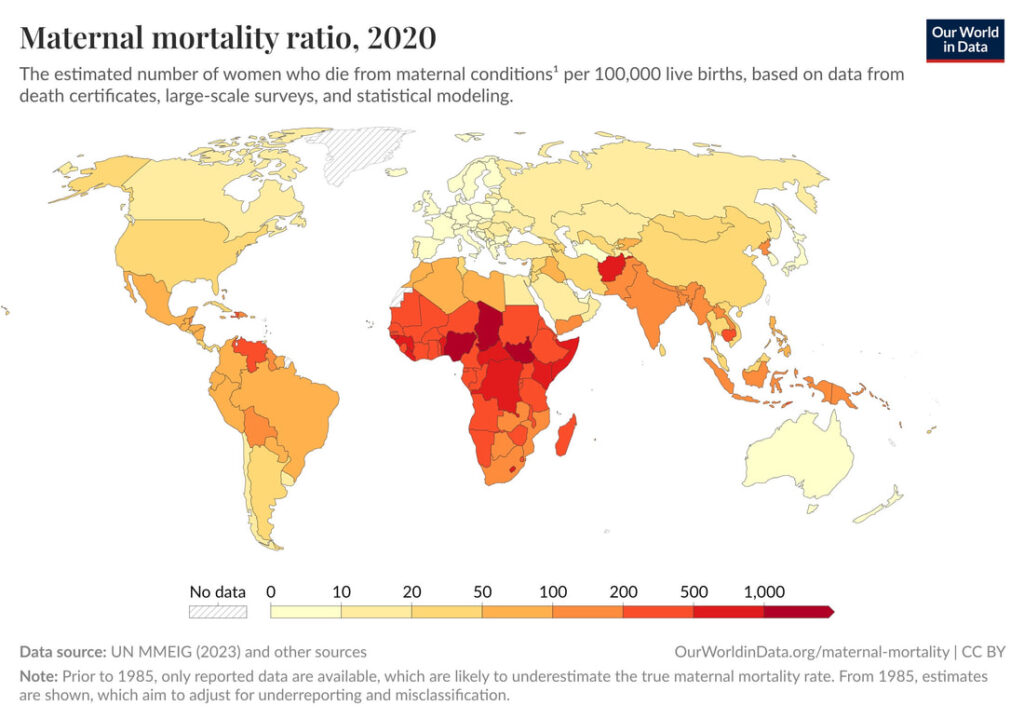
3: Good Health and Well-Being
Goal 4: Quality Education
According to the United Nations, 272 million children and youth worldwide are out of school, and many more struggle to learn without essential resources like electricity. Over one-fifth of primary schools globally still lack basic services such as electricity, drinking water, and sanitation, creating significant barriers to learning (UN 2023).
In many communities, when the sun sets, studying stops—limiting opportunities for academic success. Unite to Light changes that. Our solar lights provide 5 hours of night light per day in the sun, enabling students to read, study, and complete homework after dark. This simple but transformative resource has been shown to increase graduation rates by 30% in the communities we serve. For girls in particular, extended study hours translate into higher school retention and improved life opportunities, helping to break cycles of poverty and inequality.
Goal 5: Gender Equality
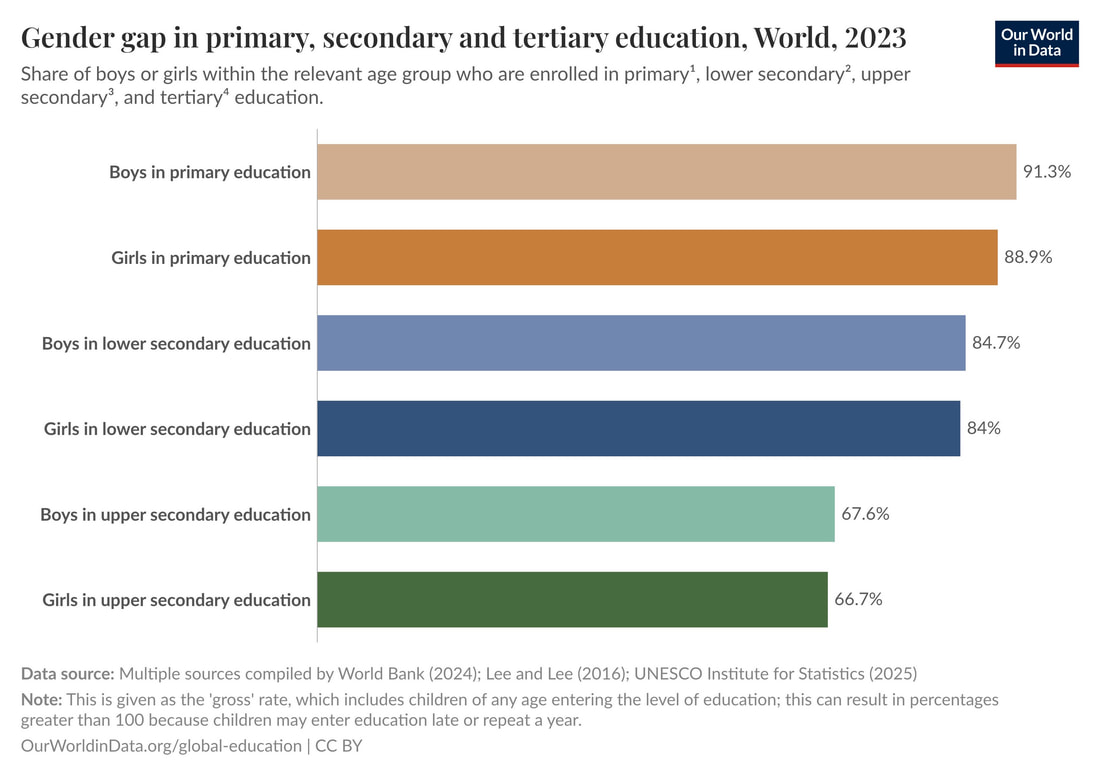
As recently as 2023, women and girls were spending an average of 2.5 times more hours per day on domestic and care work than men (UN 2023), which limits their time for education, paid employment, and personal development. They also face higher rates of gender-based violence, particularly when traveling in the dark to and from work, school, or community activities. In many rural and off-grid communities, the lack of electricity compounds these challenges: evenings become unsafe, opportunities for learning or earning diminish, and mobility is restricted.
Access to reliable light changes this reality. Girls can study after sunset, improving their chances of completing school. Women can extend their working hours, run small businesses, or create crafts to sell, boosting household income. Well-lit homes, pathways, and community spaces also enhance safety at night, reducing the risk of violence and increasing freedom of movement. By providing solar lights and chargers, Unite to Light helps close gender gaps and empowers women and girls to reach their full potential
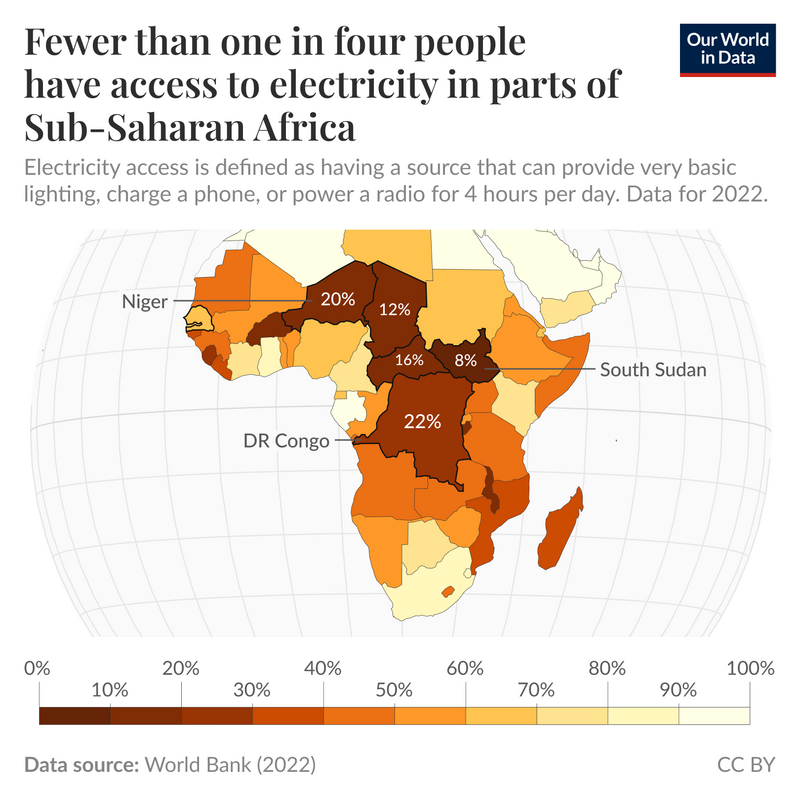
Global electrification rates are rising but 666 million people were still without electricity in 2023. Sub-saharan Africa accounts for 85% of people worldwide who lack access to electricity.
Renewable energy is a growing solution, with renewables accounting for 17.9 per cent of total final energy consumption in 2022 (UN 2025). Access to sustainable energy is essential for lifting communities out of poverty and fostering development. Unfortunately, according to the World Bank, over 240 million people are being left behind by the current solar markets.
Unite to Light works to help those people – people who cannot afford even a low cost solar light. By partnering with on-the-ground organizations, we give renewable solar lights and chargers to students, midwives, refugees and survivors of disasters, ensuring that everyone can thrive after dark.
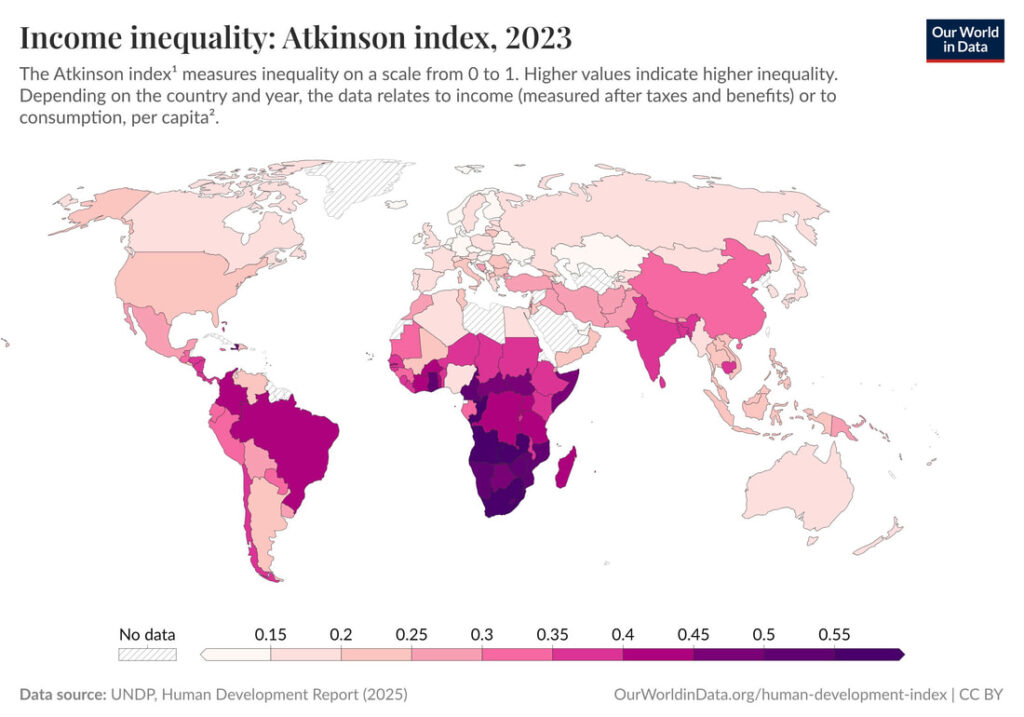
Two-thirds of the 128 countries with available data have reduced the proportion of people living below 50 per cent of median income since 2000, yet, on average, 12 per cent of the global population still falls below this threshold (UN 2025). Marginalized and rural communities are often the last to receive essential services, limiting opportunities for education, health, and economic advancement. Unite to Light addresses these gaps by providing affordable solar lights and chargers to communities where electricity may never reach. By giving families access to reliable, renewable light, we help reduce costs, extend productive hours after dark, and create opportunities for learning and income-generating activities.
While there has been global progress on this goal, conflict and violence are leading to an increase in refugees in certain areas. The refugee population has surged to 37.8 million, mainly from Afghanistan, the Syrian Arab Republic, Ukraine and Venezuela (Bolivarian Republic of). There are 460 refugees per 100,000 people worldwide, which is more than double the 2015 levels (UN 2024). Refugees often live in overcrowded camps with limited access to basic services, making daily life and education particularly challenging. Unite to Light supports these displaced populations by delivering solar lights and chargers to camps and temporary settlements, improving safety, enabling children to study after dark, and giving families the tools they need to regain a sense of stability and opportunity despite displacement.
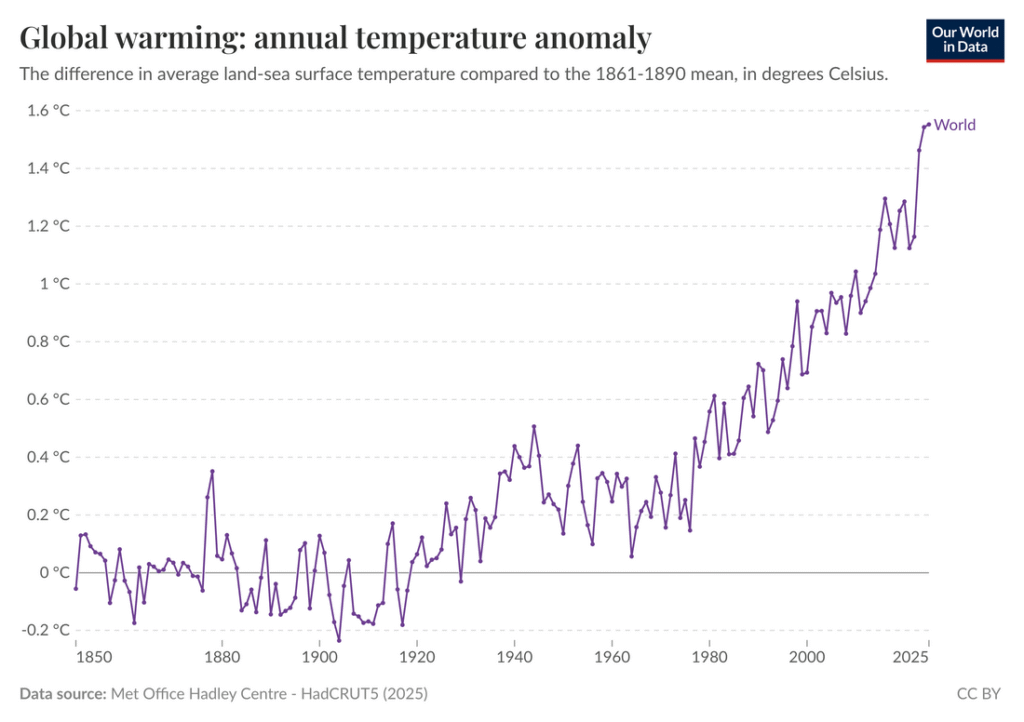
Global temperatures have broken records, briefly exceeding the 1.5°C threshold, underscoring the urgent need to reduce greenhouse gas emissions. Extreme weather events, including tropical cyclones, floods, and droughts, have triggered the highest number of new displacements in 16 years, worsening food insecurity and causing massive economic and social disruptions. Despite these challenges, limiting long-term warming to 1.5°C is still possible, and every fraction of a degree matters in reducing risks, lowering costs, and preventing irreversible harm to people and the planet (UN 2025).
Unite to Light contributes to this effort by replacing fossil-fuel lighting, such as kerosene lamps, with clean, renewable solar energy. By providing solar lights and chargers, we reduce carbon emissions, promote sustainable technology, and help communities build resilience to climate change, enabling families and students to thrive safely and sustainably even as global risks increase.
Goal 17: Partnerships for the Goals
Goal 17 aims to strengthen the Global Partnership for Sustainable Development through multi-stakeholder collaborations that share knowledge, expertise, technology, and resources to support the SDGs, especially in developing countries. Achieving these goals is not the responsibility of governments alone; it requires cooperation across nonprofits, local communities, businesses, and passionate individuals.
Unite to Light works hand-in-hand with partners around the world, including NGOs, schools, healthcare providers, and generous supporters, to amplify our impact. By collaborating with these groups, we are able to reach more people, deliver sustainable energy solutions, and ensure that light and opportunity reach communities where it’s needed most.
Together Toward 2030
Each solar light we place in someone’s hands does more than brighten a room—it helps drive global progress on poverty, health, education, gender equality, clean energy, equality, climate, and partnerships.
By supporting Unite to Light, you’re not only changing individual lives. You’re helping to achieve a sustainable, just, and prosperous future for all.
Join us. Light the way.
Solar at Every Scale: How You Can Make an Impact This Earth Day Solar energy is one of the simplest,

Lighting Communities in Ghana in Honor of Professor Anani Dzidzienyo Last year, a group of students from Tema International School
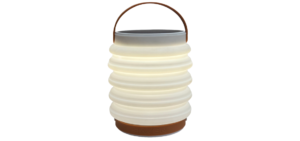
A room light, a camp light, a light in the dark. Meet Unite to Light’s new Haven Lantern.