Bringing Light to Families Displaced in South Sudan
Bringing Light to Families Displaced in South Sudan In early March 2026, extreme violence in Abiemnhom County devastated entire communities,

Published June 26, 2025 · Updated February 18, 2026
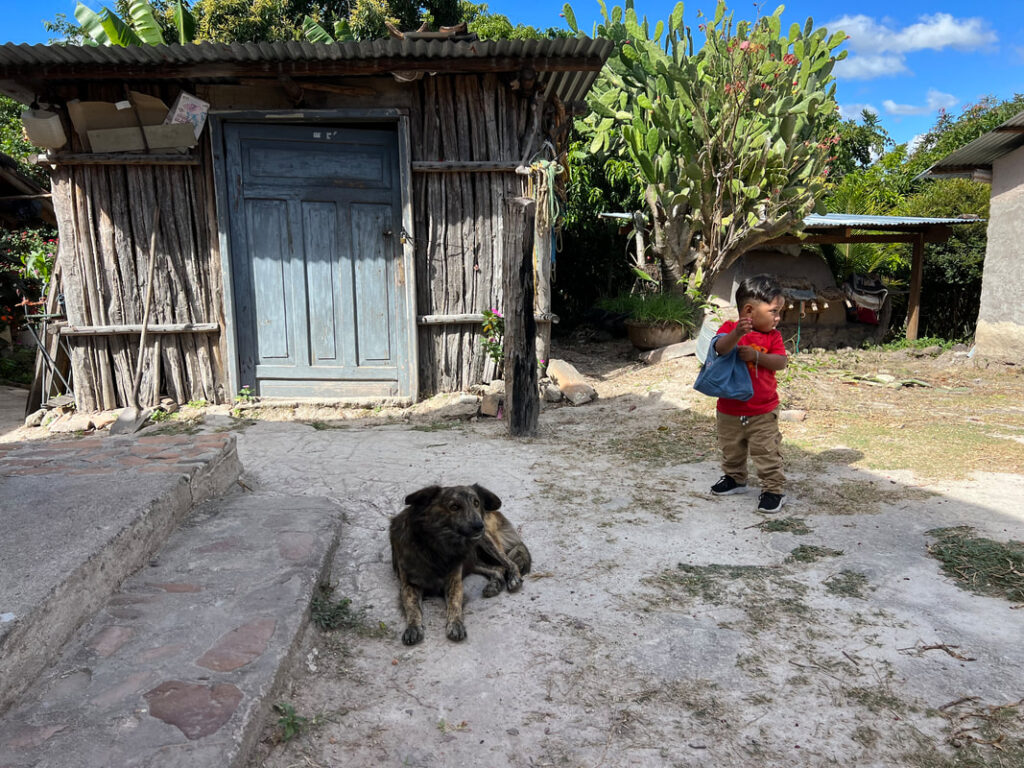
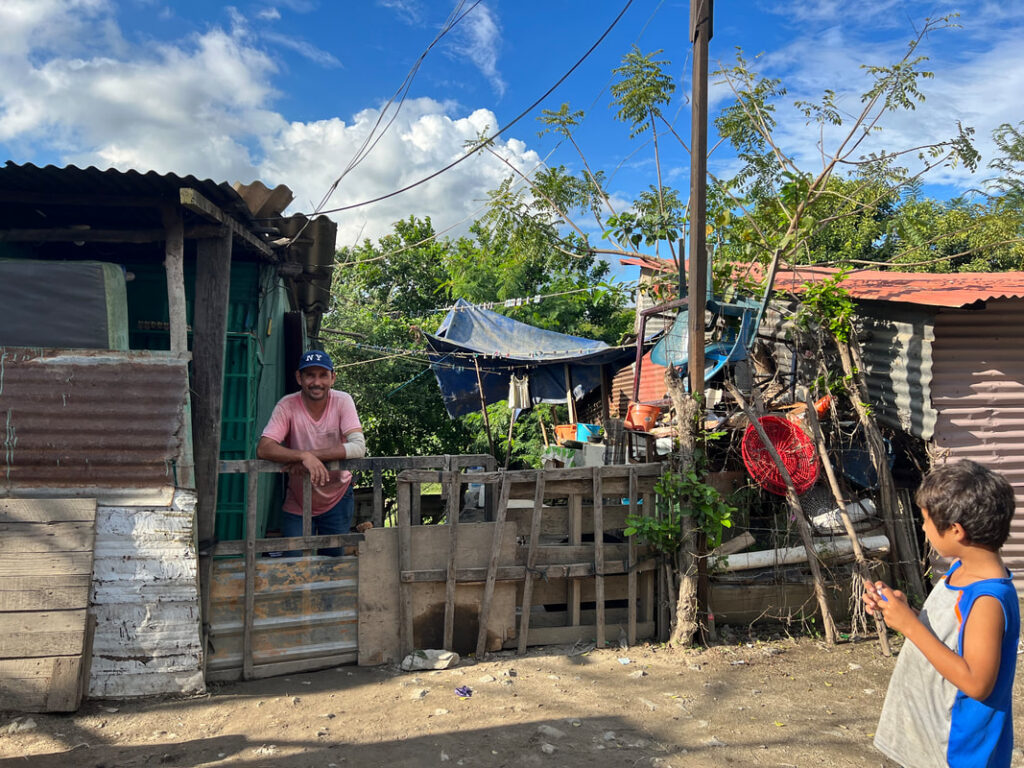
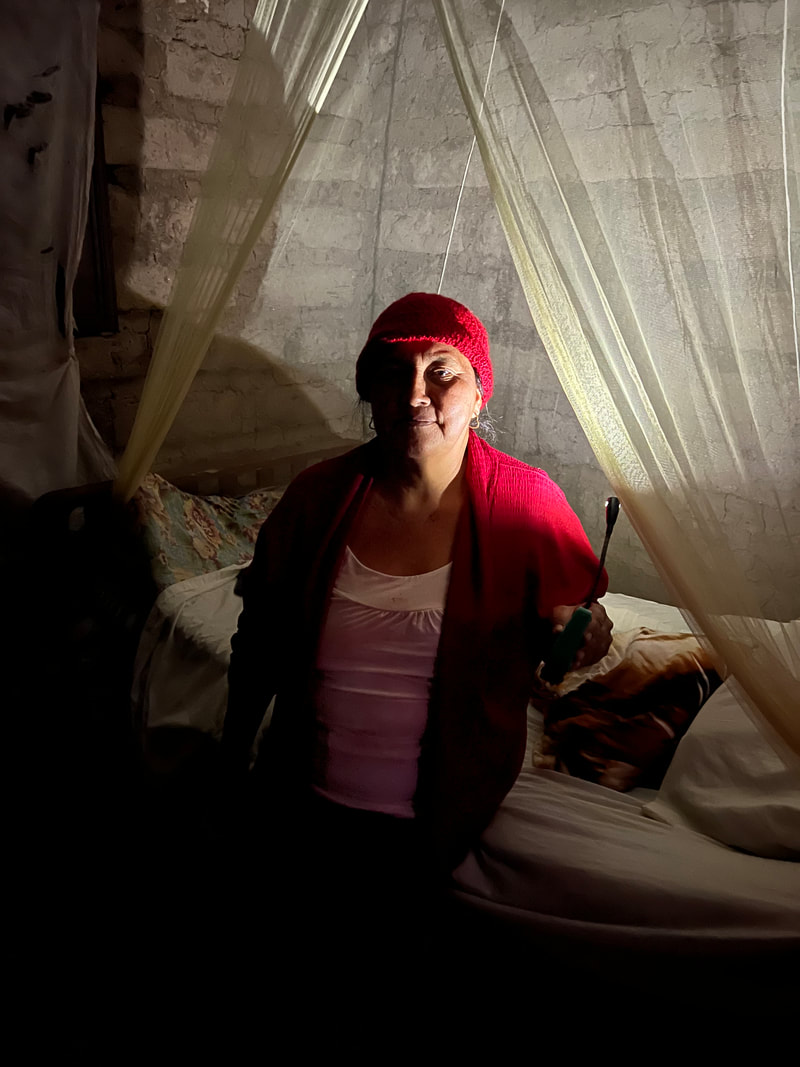
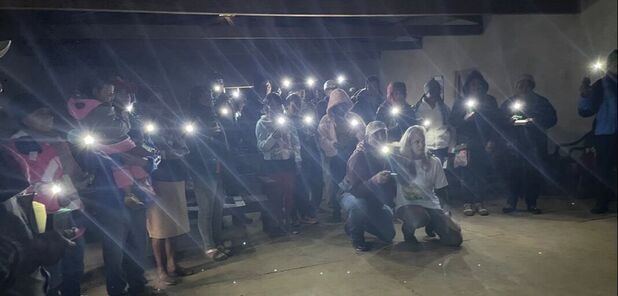
In both settings, the Luke Light provides essential monetary savings for basic necessities and additional schooling. With 8 hours of light, caretakers can more easily, and safely, care for children, cook dinner at a reasonable hour, and complete household chores by the end of the day—a source of pride whether you have dirt floors or concrete floors – which many did not experience before having our light. Reading and studying after dark is now a reality for children and adults alike, in both regions, sparking hope for a brighter future or simply more enjoyment and leisure in their day. For many, the Luke Light has become a trusted companion, enabling them to live, work, and walk outside after sunset, without stepping on an animal, falling off a cliff, starting a fire, or inhaling toxic fumes from candles, kerosene lamps, or ocote (wood burned in mostly rural areas for light). Whether neighbors live steps away or across a field, the Luke Light offers something simple yet powerful: connection. Where darkness once kept people isolated inside their homes, the light now draws them out—to chat with neighbors, attend church, and gather with their communities.
But here’s where usage in the rural and urban stories diverge.
While the core needs—light for safety, work, caregiving, and connection—are shared across both regions, the ways Luke Lights are used are shaped by environment, livelihood, and urgency.
In Villanueva Cortes, many families rely on livestock and agriculture for their livelihood. There is no power grid, no infrastructure— just darkness after sunset. Without light, they are left to navigate muddy, uneven terrain blindly, hoping their crops and animals survive pests and predators at night. The only alternatives—candles, gas lamps, or ocote (a smoky, resin-heavy wood)—are dangerous, dim, and costly.The Luke Light becomes their lifeline for “TODO!” (everything!) —without it, the day ends with the sun.
In Rivera Hernández, the challenges are different—but just as dire. Many work as tradespeople, often commuting home in the dark or striving to continue their craft long after the sun has set. Others (children and adults alike) travel, daily, to the local dump, sifting through mounds and mounds of trash to collect items to sell. Here, while there may be some access to electricity, rolling power outages are common, leaving families dependent on Luke Lights when the grid fails. For them, the Luke Light means they can travel safely, work longer, and study without draining the only charged phone in the house. The light is a backup—but also a bridge to connection, dignity, safety, and control in a place where so little feels secure.
Why do we care about the differences?
These differences directly shape how we design the Luke Light—ensuring it remains something people can truly depend on, year after year. It’s built to meet the diverse needs of users around the world, no matter where they live or how they make a living.
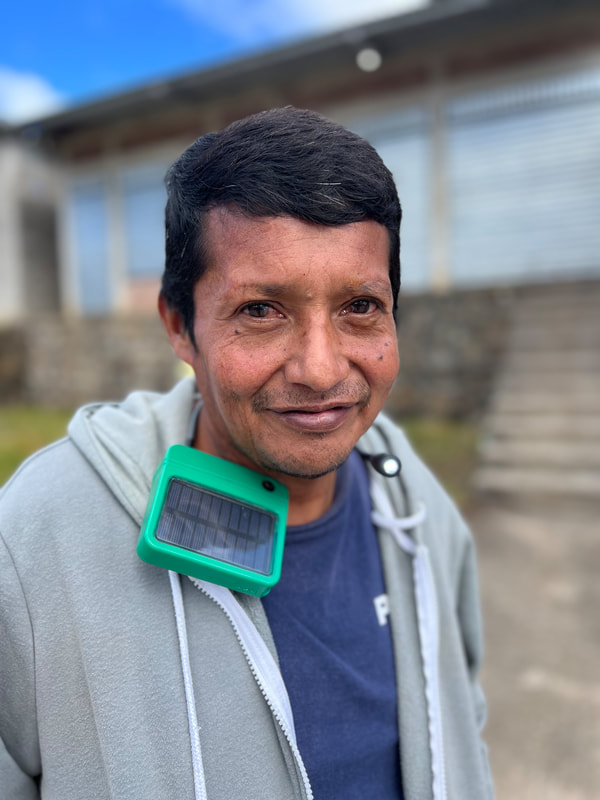
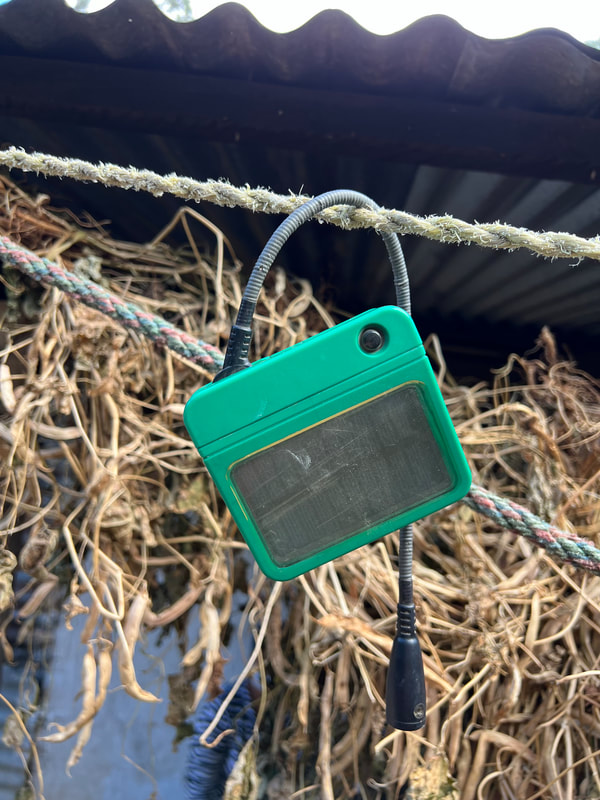
The Luke Light is multi-functional—easily transforming from a study lamp to a room light, bike light, flashlight, or hands-free light worn around the neck. And it’s built to last: water- and mud-resistant, tough enough for muddy fields, dusty streets, rainy nights, and the daily wear and tear of real life—whether in the hands of curious children or hardworking adults.
Bringing Light to Families Displaced in South Sudan In early March 2026, extreme violence in Abiemnhom County devastated entire communities,
From Santa Barbara to the Mountains of Honduras: Helping the Helpers Last year, we celebrated the International Day of Light
Lighting Recovery: A Disaster Response Partnership in Hawaii When severe flooding swept across Oahu in Spring 2026, hundreds of families